OPAIRS Insights

    Insights & Updates

    Here you will find compact analyses of the questions that manufacturing companies really care about when deploying AI: compliance, architecture, control over their own data and specialization.

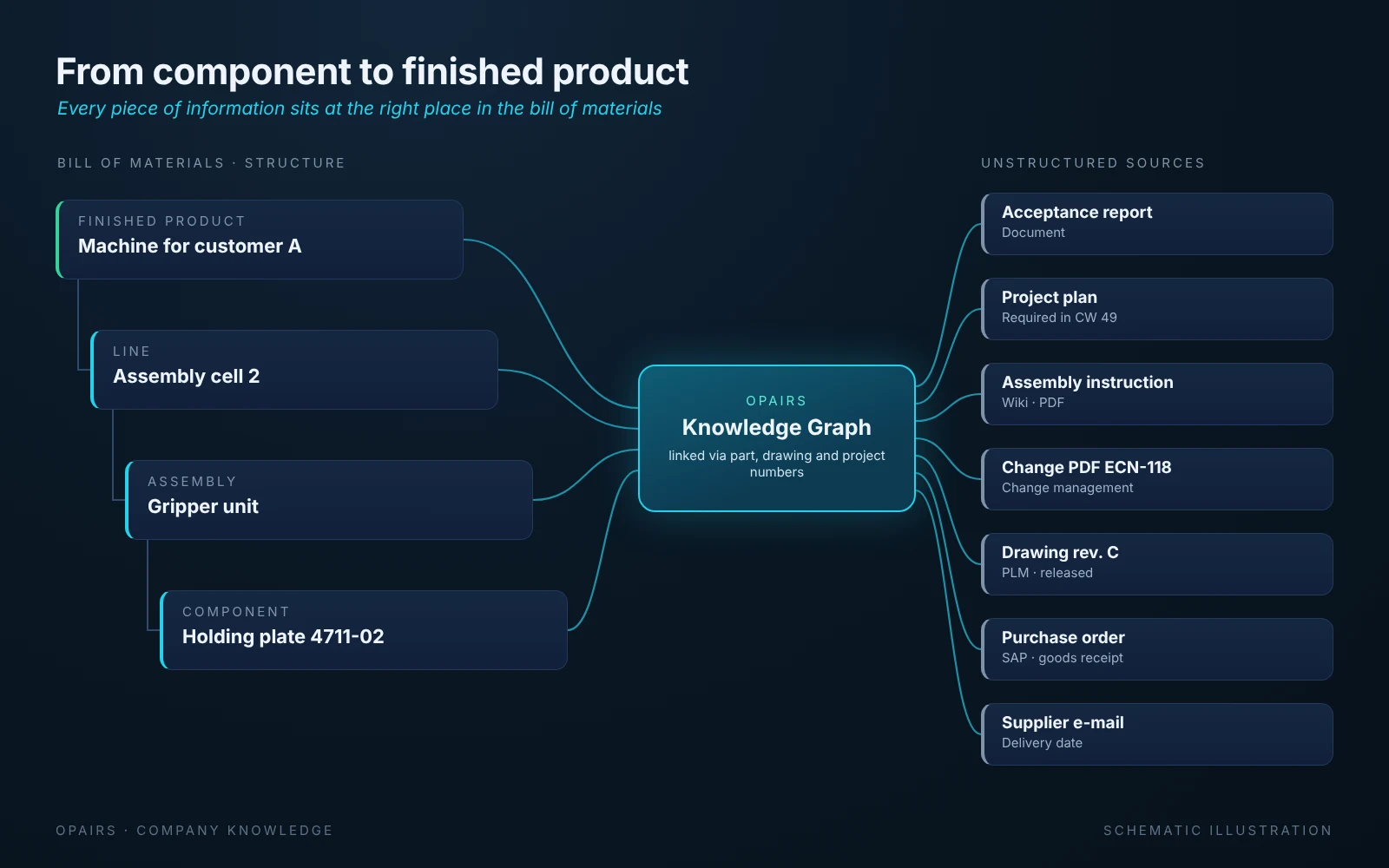
    Diagram: bill of materials with the levels finished product, line, assembly and component, linked via the OPAIRS Knowledge Graph to acceptance report, project plan, assembly instruction, change PDF, drawing, purchase order and supplier e-mail
    Knowledge Management

    Industrial knowledge base with OPAIRS®: From the bill of materials to company knowledge for production, assembly and quotation costing

    A part does not fit, assembly stops, and the worker starts searching: in SAP, in PLM, on the network drive, in the mailbox and among colleagues. OPAIRS organises company knowledge along the bill of materials, attaches drawings, changes and e-mails to the right component and reconciles them with the plan. Instead of searching, people get back to working on the product, and with every project the company’s own knowledge base on processes and production workflows grows.

    Read article
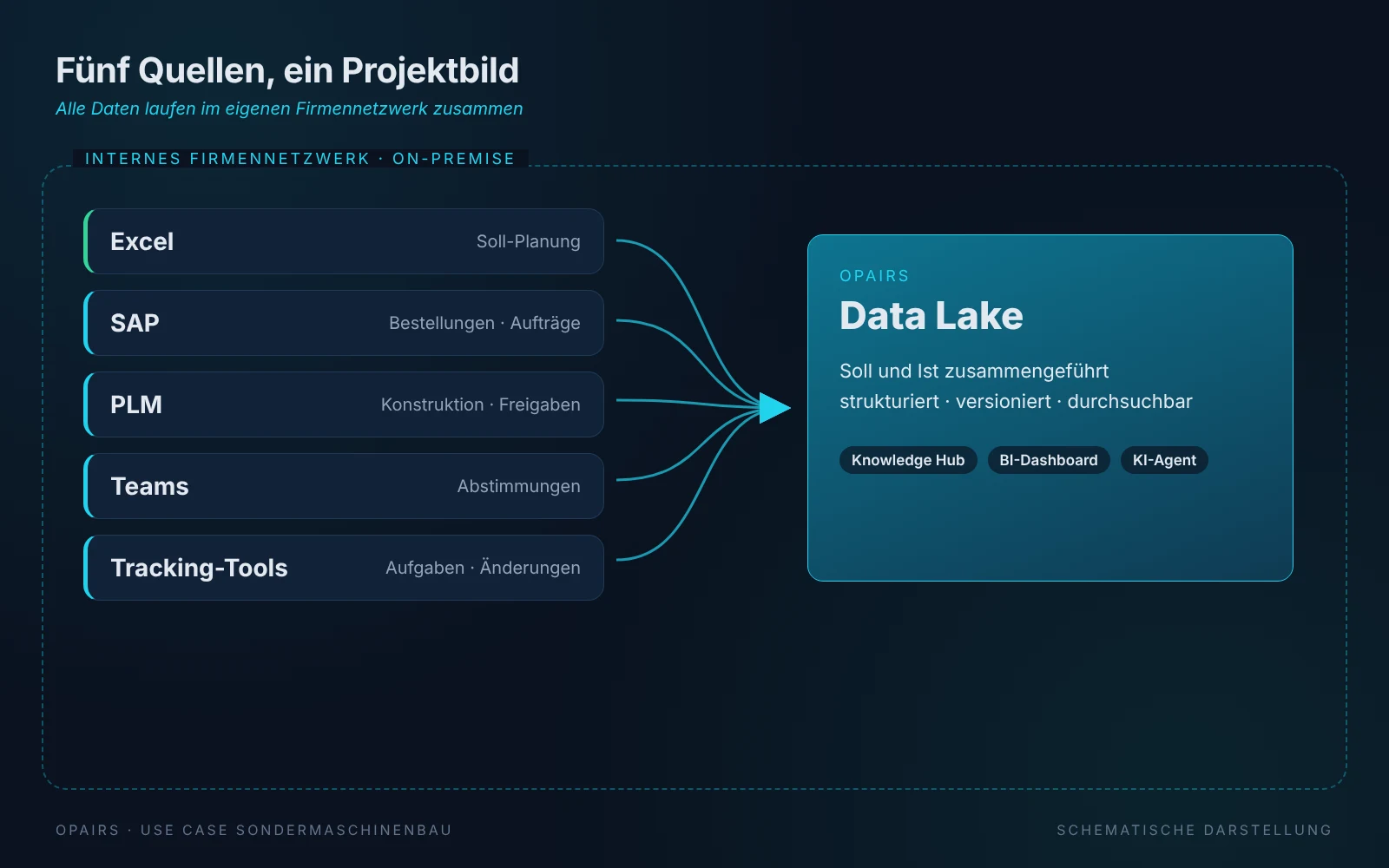
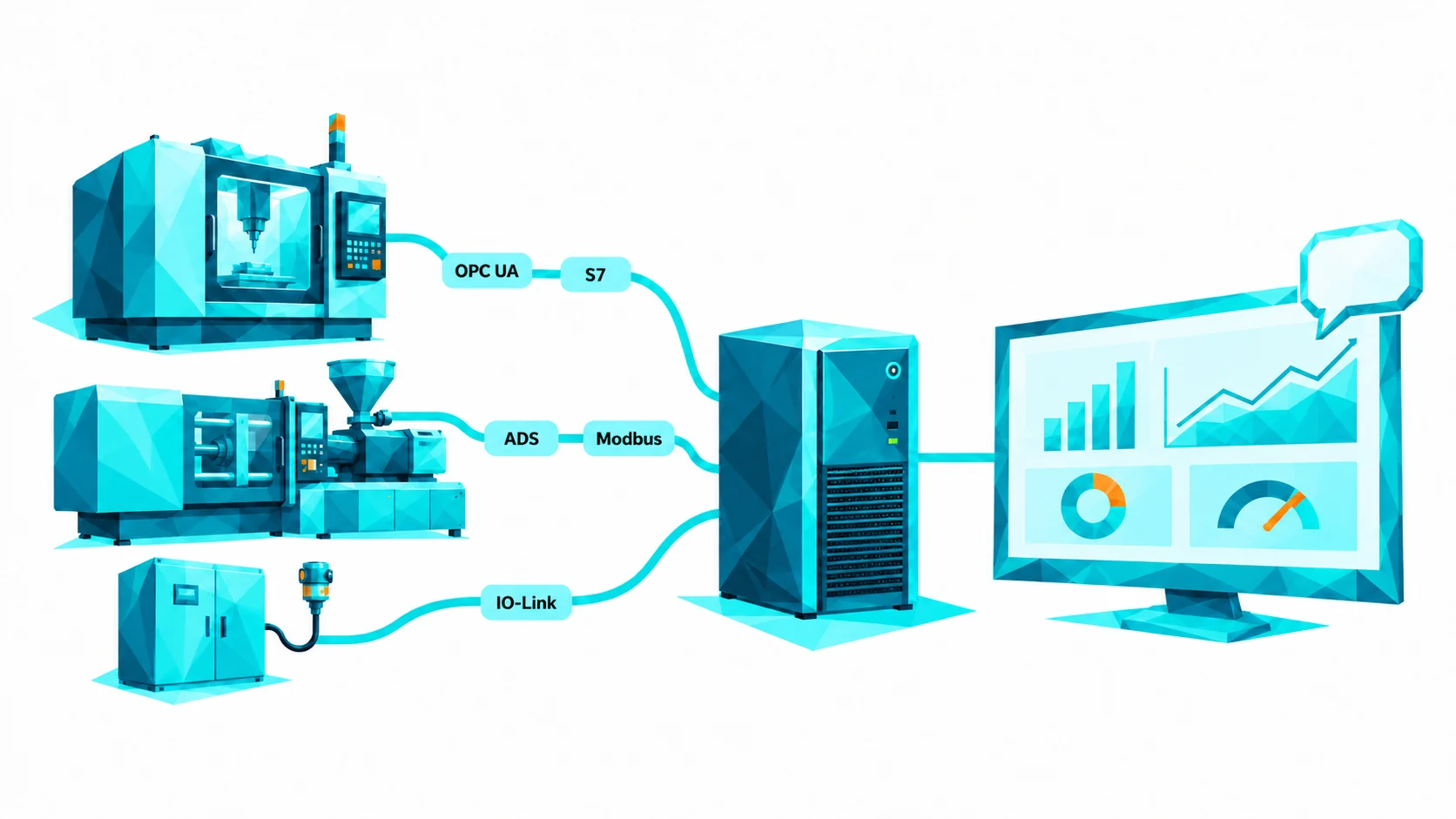
    Diagram: Excel plan, SAP, PLM, Microsoft Teams and tracking tools flow within the internal company network into the OPAIRS data lake with knowledge hub, BI dashboard and AI agent
    Use Case

    From Excel Plan to Critical Path: How a Special Machinery Builder Manages Its Projects On-Premise

    The project plan lives in Excel, while the actual status is spread across SAP, PLM, Teams and the lists kept by each department. A special machinery builder with around 100 million euros in revenue brings both together with OPAIRS: plan and actuals are compared, the critical path becomes visible and the AI derives recommendations. The result: up to 10% fewer project hours and up to 15% less search time. All data stays in-house.

    Read article
    Stylised CNC milling machine, injection moulding machine and control cabinet with a sensor, connected by cables labelled OPC UA, S7, ADS, Modbus and IO-Link to a data server, with a monitor showing a dashboard and a speech bubble on the right – connecting cyber-physical systems on-premise
    Architecture

    Cyber-Physical Systems with OPAIRS®: Connecting Machines and Sensors On-Premise

    So far, OPAIRS has learned from ERP systems, documents and databases. With OPAIRS Connect Machine, the machines themselves join in: controllers, sensors and equipment deliver their values via OPC UA, Siemens S7, Beckhoff TwinCAT, Modbus, EtherNet/IP or IO-Link into a local database that the OPAIRS® Dashboard and AI agents read from. Everything runs in-house, without the cloud and without a connection to external services.

    Read article
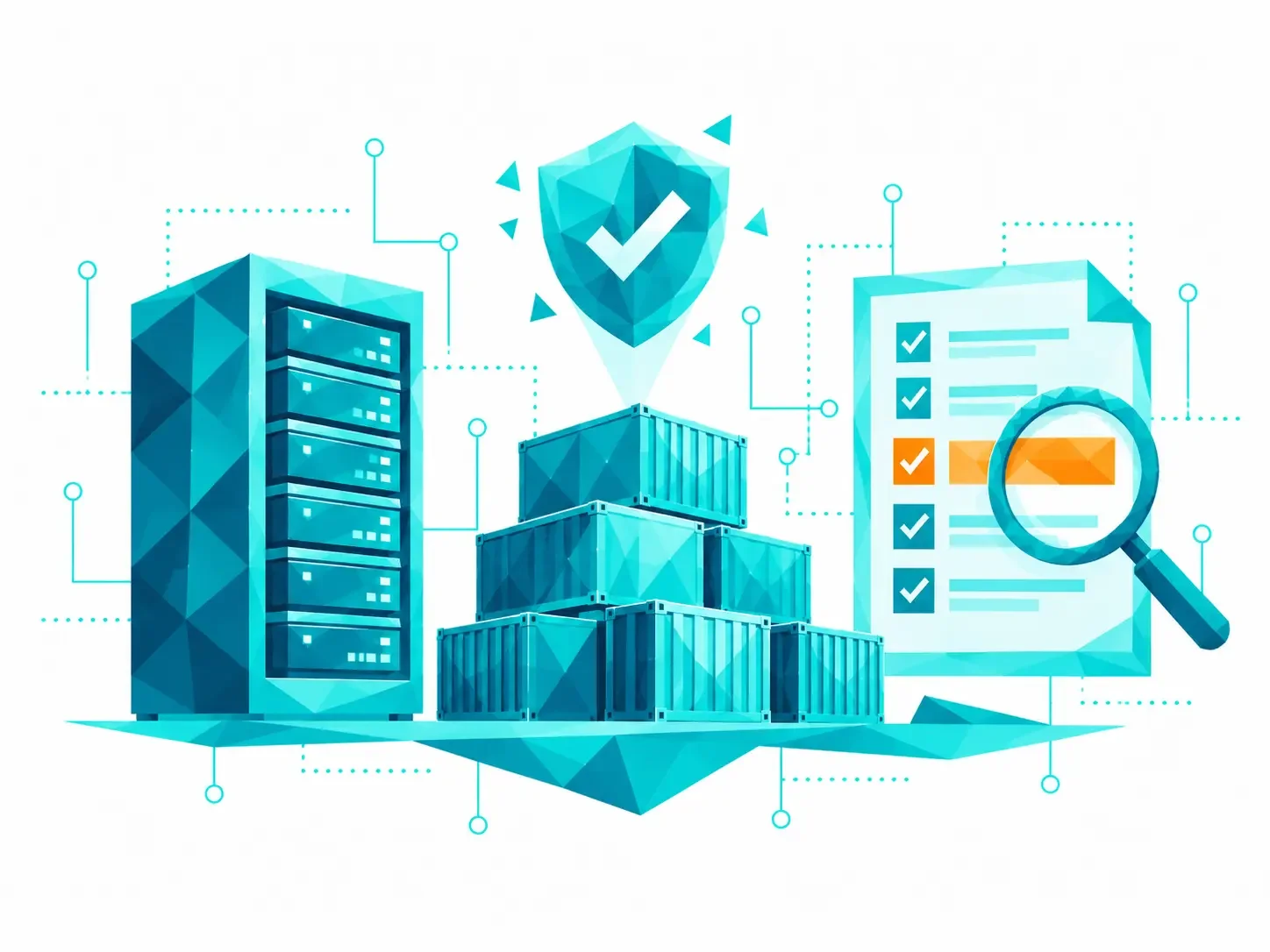
    Stylised server rack, stacked containers, a shield with a check mark and a bill of materials under a magnifying glass in turquoise – software bill of materials and vulnerability monitoring on-premise
    Regulation

    OPAIRS SBOM Scanner: Continuous Vulnerability and Supply-Chain Monitoring for the Cyber Resilience Act

    Since 11 September 2026, manufacturers must report actively exploited vulnerabilities in their products within 24 hours – from December 2027 the Cyber Resilience Act applies in full, including a software bill of materials. To report, you first need to know what is inside your own software. OPAIRS built a scanner for that: it runs entirely on-premise, watches continuously and only raises the alarm when it matters.

    Read article
    Stylized factory with chimneys and tanks in turquoise, next to a bar chart with a rising forecast curve and gears – time-series forecasting for industrial manufacturing
    Research & Development

    OPAIRS Forecasting: Self-Hosted Time-Series Forecasting for Manufacturing

    How much material will we consume next quarter, when will energy demand rise, which items will run out? Time-series forecasts answer questions like these – usually through cloud services that production data has to be sent to. OPAIRS has built its own forecasting service that runs entirely on-premise, recommends a model only when it demonstrably beats a simple baseline, and connects with the SQL Agent into one continuous chain: query the data, forecast, evaluate.

    Read article
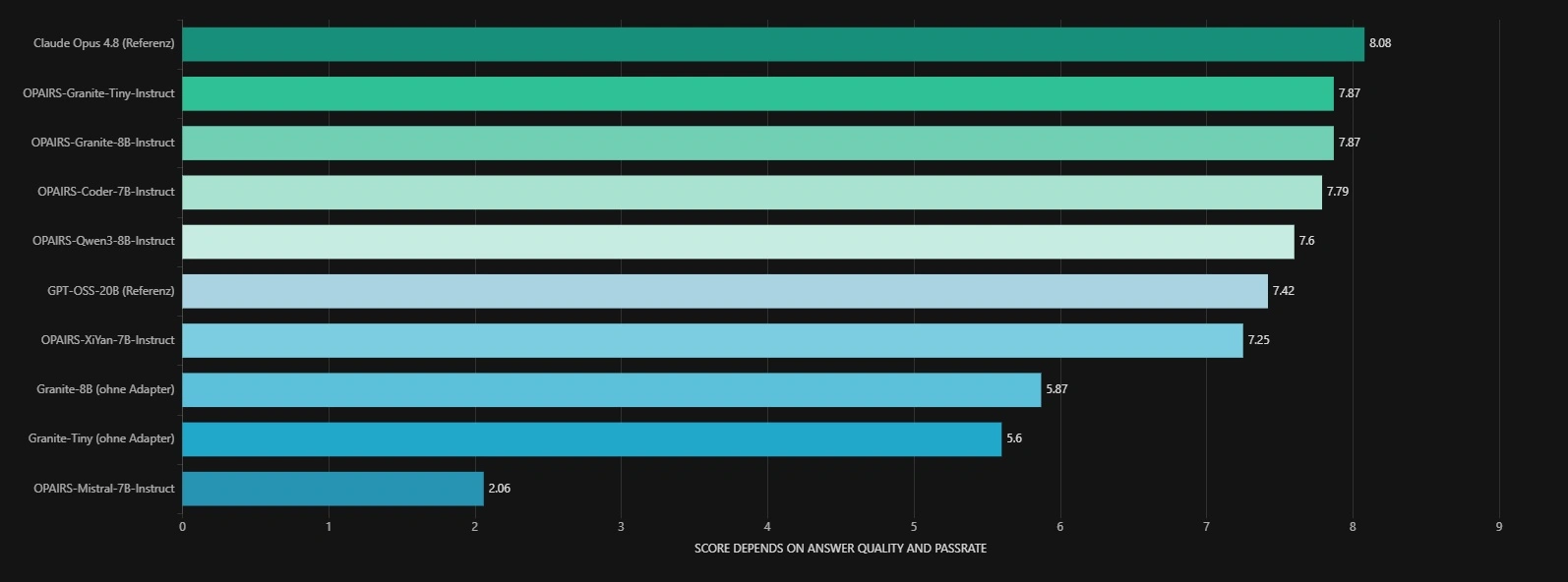
    OPAIRS SQL Agent benchmark: pass rate of all six LoRA adapters for PostgreSQL, T-SQL and Apache Iceberg compared with Claude Opus 4.8, GPT-OSS-20B and the untuned base models
    Research & Development

    OPAIRS SQL Agent: Comparing Six LoRA Adapters for Industrial Databases

    Six LoRA adapters, a 26-question catalog spanning PostgreSQL, T-SQL and Apache Iceberg databases, two external reference models: OPAIRS has systematically evaluated its SQL agent. Two Granite adapters lead the field. For production use, however, the deciding factors are not only answer quality but also speed, memory footprint, concurrency and the available context from ERP, MES, PLM and other industrial systems.

    Read article
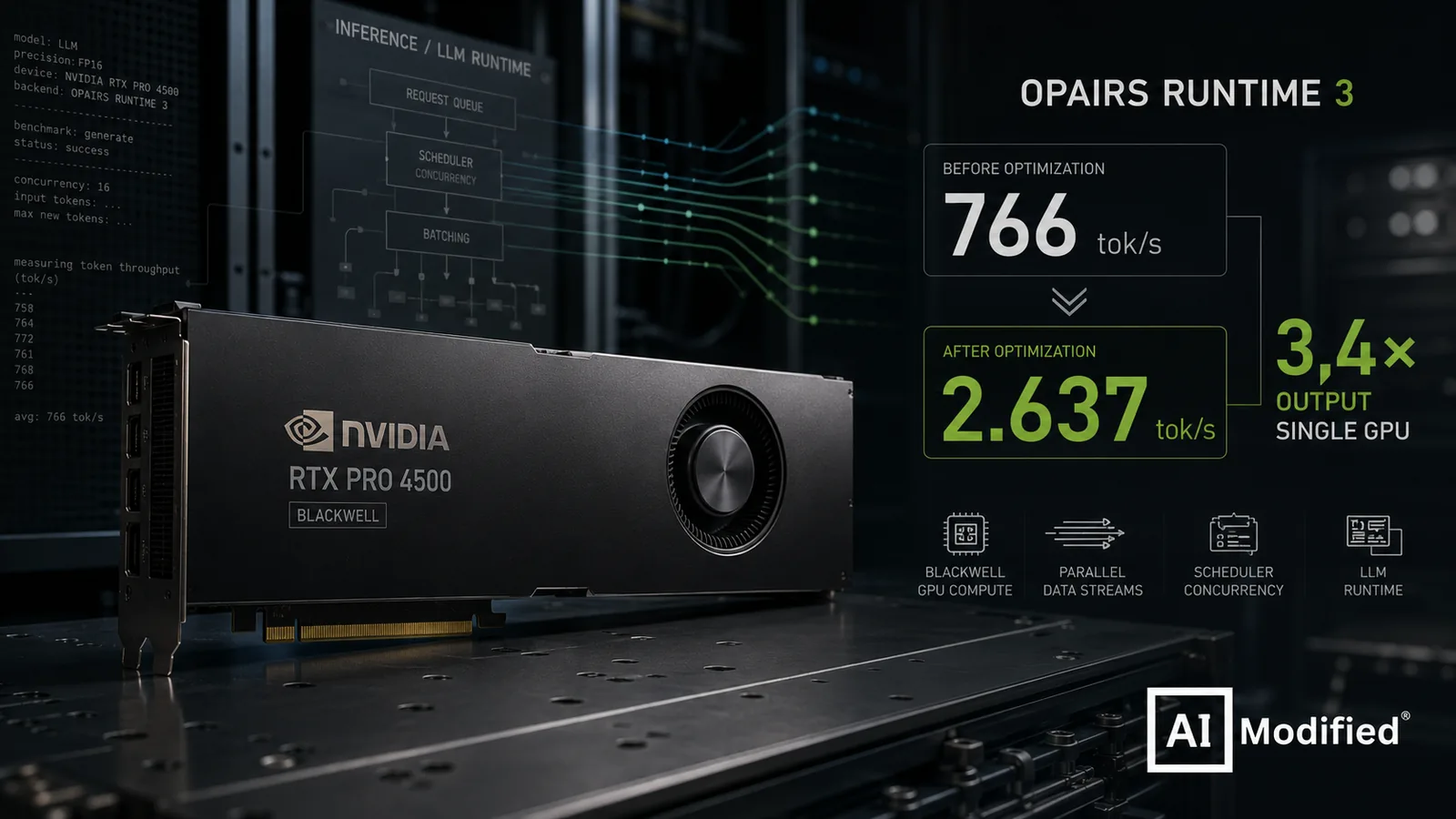
    OPAIRS Runtime 3 on NVIDIA RTX PRO 4500 Blackwell with GPT-OSS-20B and up to 2,637 tokens per second
    Research & Development

    RTX PRO 4500 Blackwell: 3.4x LLM Throughput Through Runtime Optimization

    Same GPU, same main model, up to 3.4x the output: OPAIRS Runtime 3 raises the throughput of GPT-OSS-20B on the RTX PRO 4500 Blackwell to up to 2,637 tokens/s. At the same time, the tests show why Qwen3.8-27B will not take over the production stack for now.

    Read article
    NVIDIA Inception Program badge – OPAIRS Systems is a program member
    Partnership

    OPAIRS Joins the NVIDIA Inception Program

    GPU-accelerated LLM inference on-premise: what NVIDIA Inception means for the OPAIRS stack, and why sovereign AI and high-performance hardware must go hand in hand.

    Read article
    OPAIRS EnergyManager in cooperation with aWATTar – intelligent electricity price scheduling for on-premise AI inference
    Efficiency & ROI

    When AI jobs can wait, they pay less for power. OPAIRS does it automatically.

    Electricity is not a fixed cost: it fluctuates hourly. OPAIRS uses the aWATTar API to shift AI inference and automations into low-price windows. The result: measurable returns, predictable costs, and no loss of functionality.

    Read article
    OPAIRS EuroHPC fine-tuning on the Leonardo supercomputer in Bologna for industrial AI agents
    Research & Development

    EuroHPC Grant Awarded: OPAIRS Trains Specialized AI Agents for Manufacturing

    EuroHPC grant for OPAIRS: 5,000 GPU hours on Leonardo BOOSTER for industry-specific SLM fine-tuning, with the goal of cutting inference costs by 75% compared to cloud APIs.

    Read article
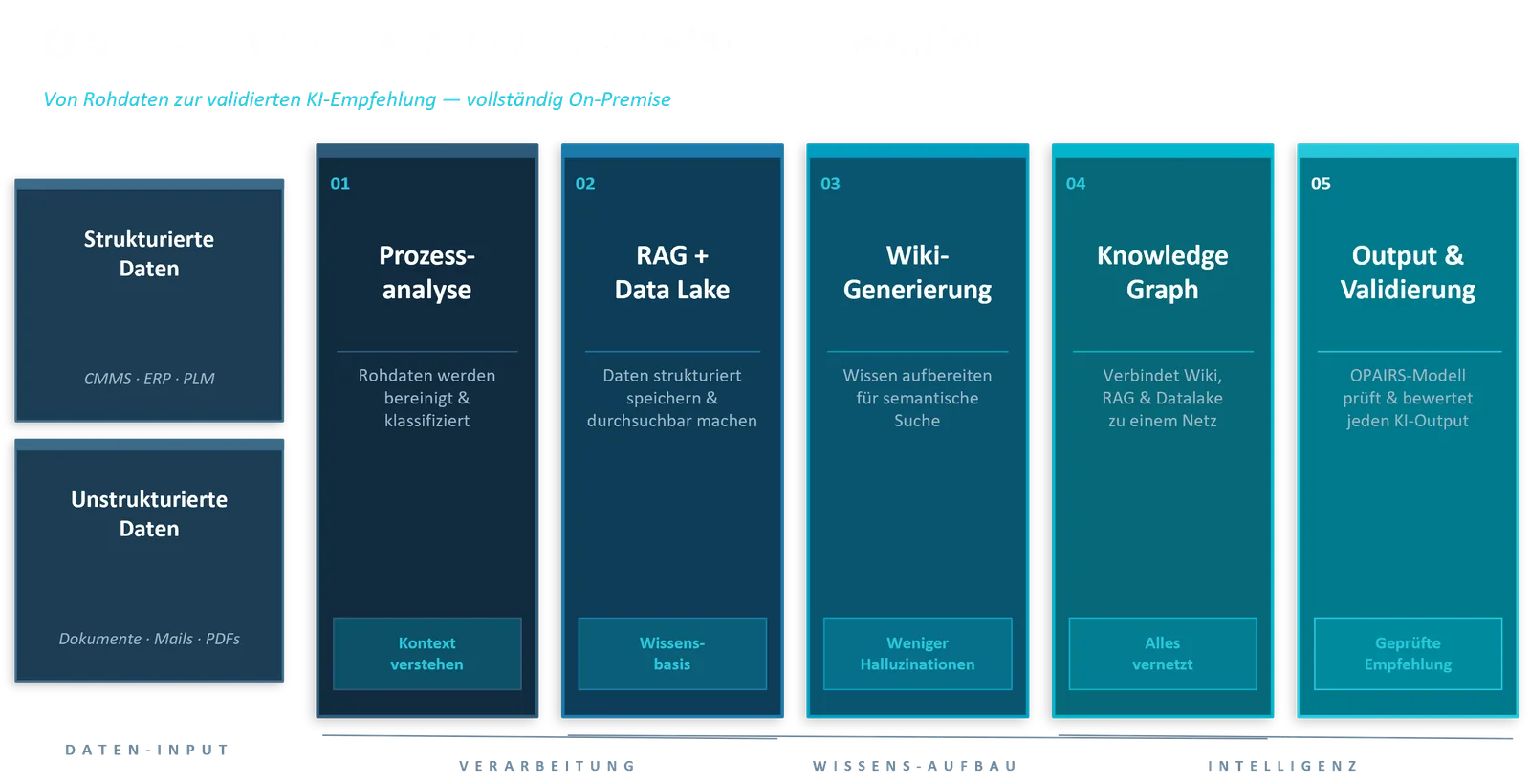
    Five-stage OPAIRS Industrial AI pipeline from raw data to validated recommendation
    Architecture

    Industrial AI Pipeline: From Data to AI Recommendation

    This is how isolated production data becomes reliable AI knowledge: OPAIRS structures, connects, and validates content in five steps for dependable decisions.

    Read article
    On-premise AI workstation as a CAPEX alternative to ongoing cloud and API costs
    Economics

    AI TCO: On-Premise vs Cloud vs API Compared

    This article shows when on-premise AI tips the cost equation: including API scaling, compliance effort, and hidden risks over a 4-year horizon.

    Read article
    EU AI Act compliance dashboard with requirements for audit trails and risk classes
    Regulation

    EU AI Act in Industry: Compliance Without Costly Rework

    Learn why compliance by design is critical in industry: local AI creates verifiable evidence, clear accountability, and lower regulatory risk.

    Read article
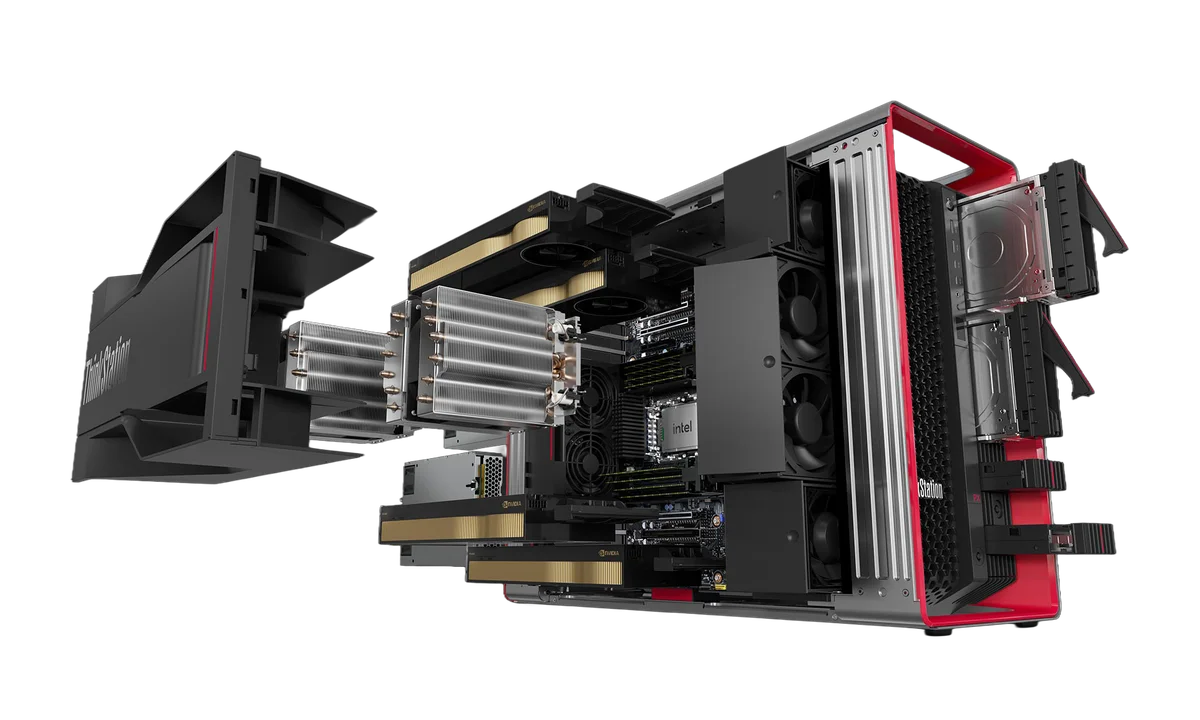
    Industrial workstation for local AI inference with low latency and high availability
    Architecture

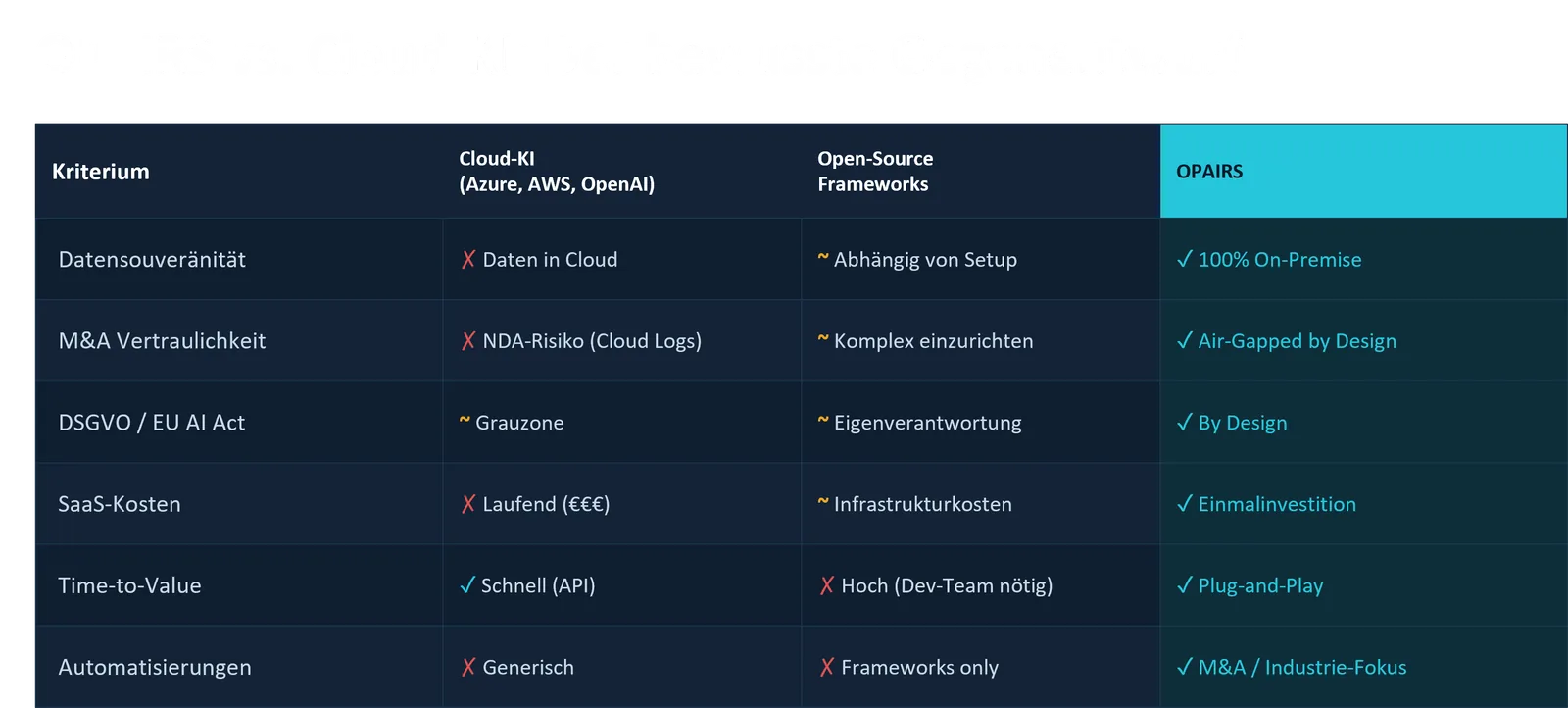
    On-Premise vs Cloud AI in Production: The Comparison

    This article explains in practical terms when cloud makes sense and why, for critical manufacturing processes, on-premise AI usually wins on control, availability, and compliance.

    Read article
    On-premise infrastructure for data-sovereign AI processing in manufacturing
    Data Governance

    Data Sovereignty in Manufacturing: Putting Data Control into Practice

    This article shows how true data control comes about: through local infrastructure, clear access rules, and full traceability of all AI and data flows.

    Read article