AI TCO: On-Premise vs Cloud vs API Compared
This article shows when on-premise AI tips the cost equation: including API scaling, compliance effort, and hidden risks over a 4-year horizon.
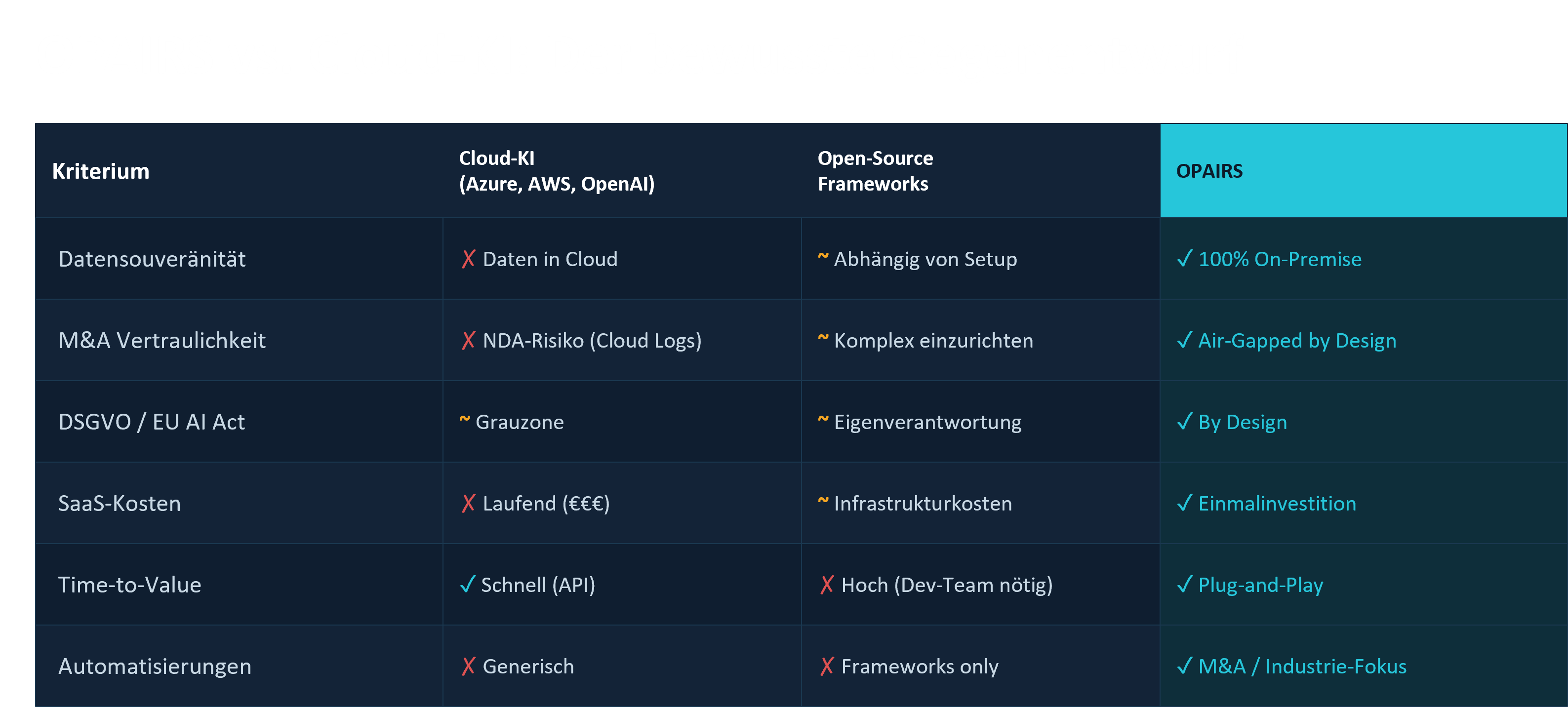
Anyone who evaluates AI costs based only on the entry price makes the wrong decision. Cloud services and API models have low onboarding barriers – that is true. But the cost structure flips the moment AI goes into productive use: more requests, more users, more data volume. Each of these hits the monthly bill directly. On-premise does not have this lever.
Three scenarios – one clear direction
- Small team (5–10 users): Cloud API is cheaper in the short term. Here, OPAIRS pays off primarily for compliance and sovereignty reasons, not as a pure cost-saving measure.
- Mid-sized team (15–30 users): OPAIRS reaches break-even within 18–24 months. After that, the cost advantage over cloud subscriptions grows measurably – with better data control at the same time.
- Larger installations (30+ users / high inference load): On-premise is significantly cheaper in the long run. API costs scale linearly with usage – the hardware investment amortizes, and operating costs remain predictable.
What the TCO comparison really captures
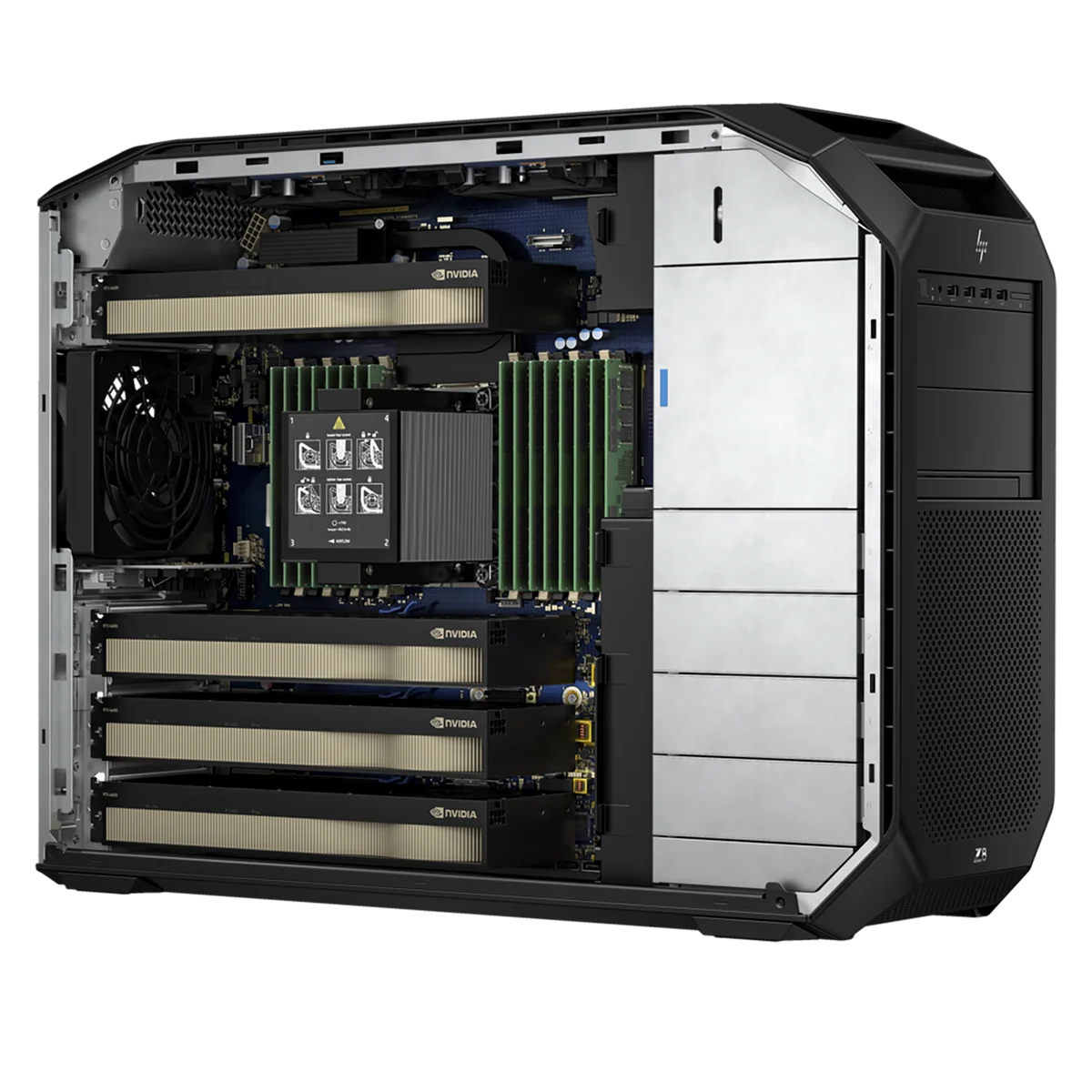
A credible comparison does not just count license and hardware costs. It also accounts for: hidden API costs as data volume grows, compliance effort for cloud use under GDPR and the EU AI Act, integration costs in existing IT landscapes, and the risk of price changes or model deprecations by the vendor. At the pure entry price, OPAIRS is not the cheapest route. In return, the cost curve is flat after year 2 – and control over data, model, and infrastructure stays entirely in-house.
Costs missing from cloud calculations
- CLOUD Act & data protection: Every transfer of production data to US-based API providers is potentially subject to the CLOUD Act. That risk has a price – it just does not appear on the API invoice.
- Model deprecation: When a vendor retires a model, workflows have to be re-integrated. This effort is routinely forgotten in TCO calculations.
- Compliance evidence: For the EU AI Act, companies need complete audit trails. With cloud services, this evidence has to be requested from the vendor – with an uncertain outcome.
- Scaling costs: API prices grow with every additional request. With OPAIRS, capacity is capped by the hardware – but within that limit, there are no additional costs per inference call.
One-time investment – predictable, not variable
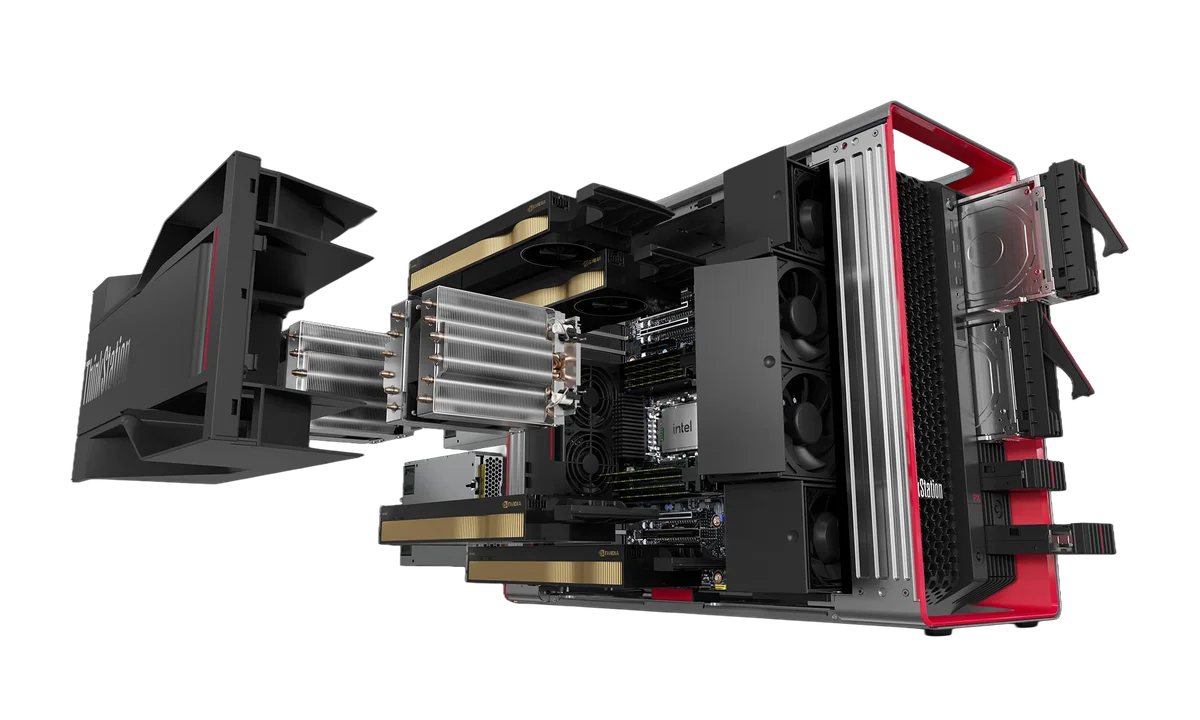
The OPAIRS model is deliberately designed as a CAPEX investment: hardware setup, implementation, and an optional maintenance contract. No monthly surprises, no volume-based billing, no vendor lock-in through proprietary cloud environments. For companies that need budget certainty and see AI not as an experiment but as an operating asset, that is the decisive difference.
The full TCO Economic White Paper with the three usage scenarios and the 4-year horizon is available on request. If you want to know when on-premise pays off for your company – talk to us.
More insights
OPAIRS SQL Agent: Comparing Six LoRA Adapters for Industrial Databases
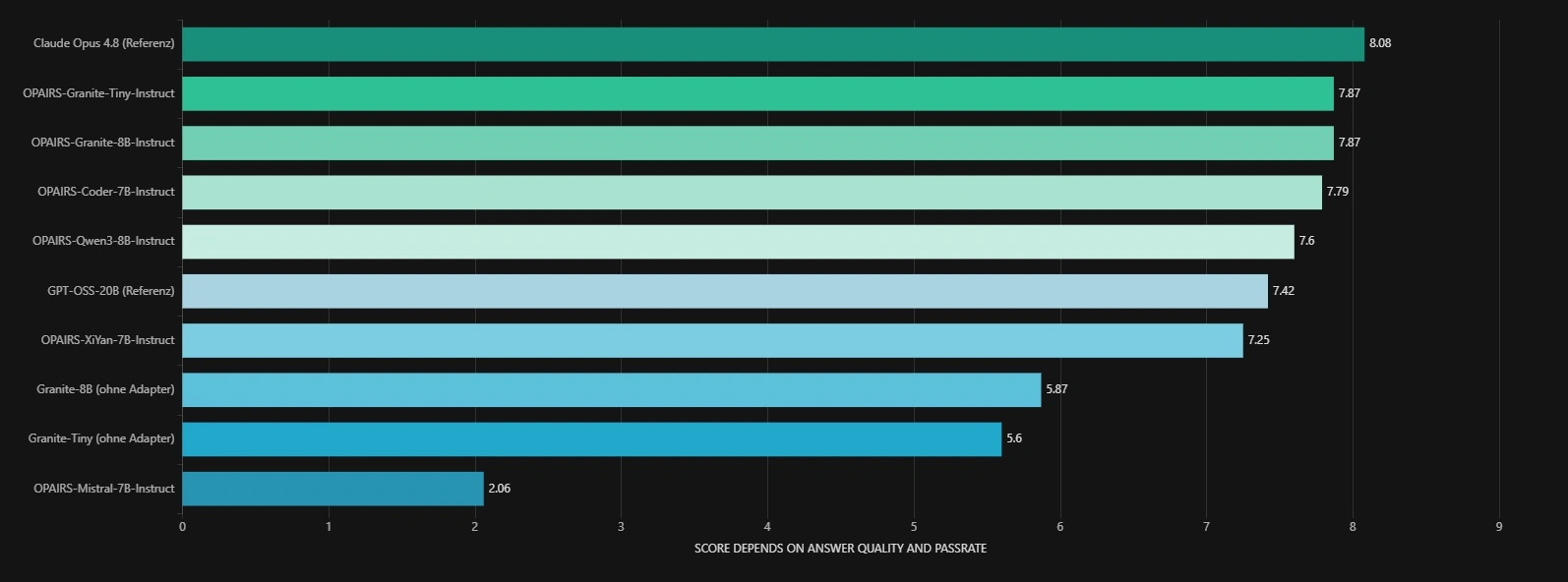
Six LoRA adapters, a 26-question catalog spanning PostgreSQL, T-SQL and Apache Iceberg databases, two external reference models: OPAIRS has systematically evaluated its SQL agent. Two Granite adapters lead the field. For production use, however, the deciding factors are not only answer quality but also speed, memory footprint, concurrency and the available context from ERP, MES, PLM and other industrial systems.
Read article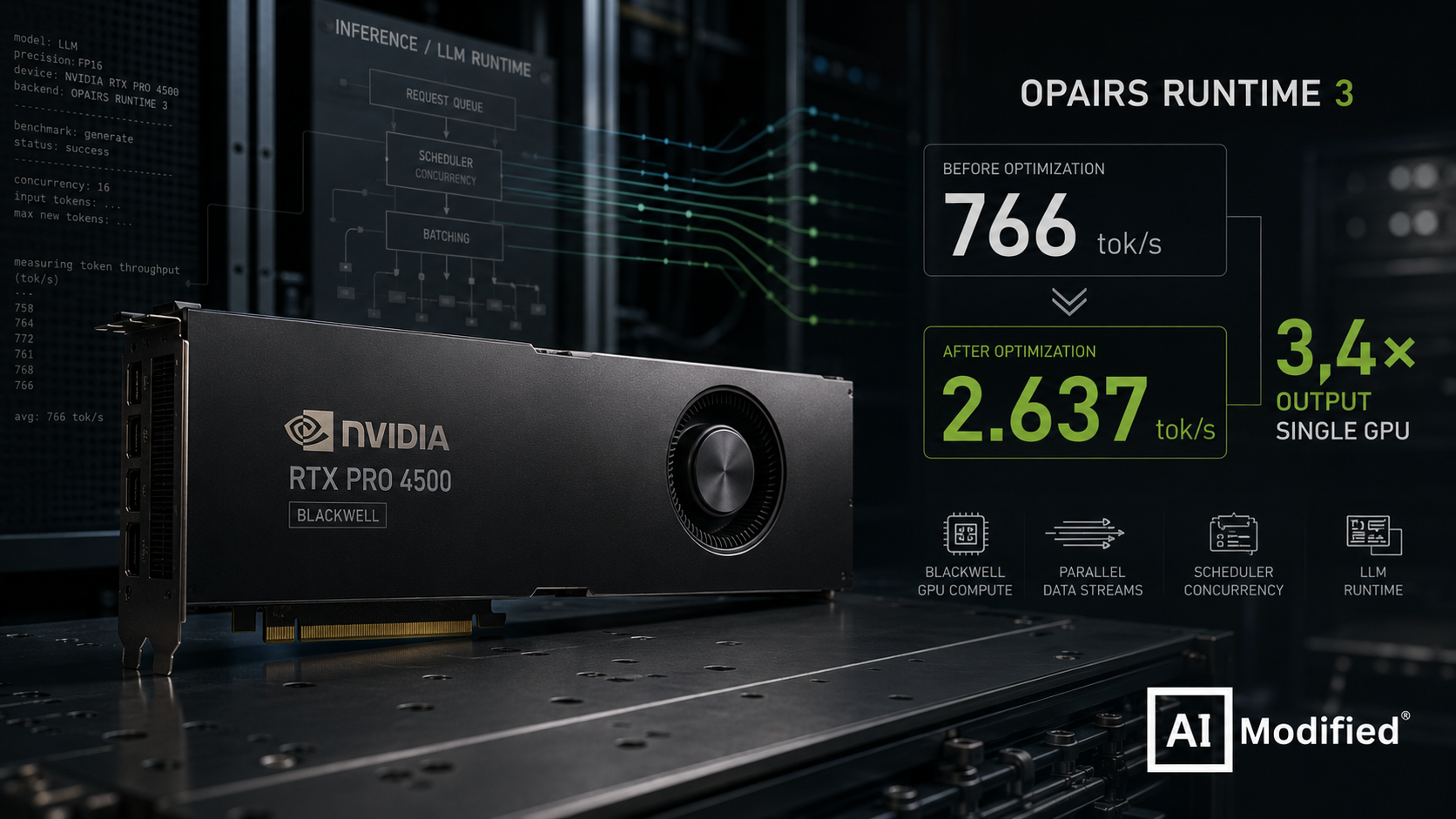
RTX PRO 4500 Blackwell: 3.4x LLM Throughput Through Runtime Optimization
Same GPU, same main model, up to 3.4x the output: OPAIRS Runtime 3 raises the throughput of GPT-OSS-20B on the RTX PRO 4500 Blackwell to up to 2,637 tokens/s. At the same time, the tests show why Qwen3.8-27B will not take over the production stack for now.
Read article